Daniyal is a university student in Islamabad, and he uses free ChatGPT every evening for assignments, exam revision, and the occasional cover letter. Last week, in the middle of a long answer about his course topic, a short sponsored message appeared below the response, offering a study app he had never heard of. He stared at it for a moment, unsure whether it was part of the answer or something else entirely, and then he scrolled past it, slightly annoyed and slightly curious.
ChatGPT ads in Pakistan had arrived in his evenings without any announcement he had noticed, and his first question was the one this article answers: what actually changed, and what should he do about it?
On the other side of the same change sits Maria, who runs a small boutique in Lahore and sells most of her stock through Instagram. She heard from another shop owner that businesses can now advertise inside ChatGPT, and her first thought was not about technology at all. It was about customers: the same people who ask ChatGPT what to wear to a wedding, which fabric suits summer, or where to find a tailor in Lahore could now meet her boutique in the middle of that question.
ChatGPT ads in Pakistan matter to her for a completely different reason than they matter to Daniyal, and this article speaks to both of them, because the same rollout changed the experience for users and opened a channel for brands at the same time.
This article is a plain-language guide to that rollout, not a news rewrite and not a sales pitch. It explains what changed on 21 October, what free users will actually notice, how OpenAI says ads and answers stay separate, what local brands and agencies can do with the new channel, and whether paying to remove ads is worth it for you. It is written for individuals first, because most readers of this article will meet the ads as users, and then for the brands among them who want to understand the other side.
ChatGPT ads in Pakistan are a small change to a familiar tool, but small changes to tools people use every day deserve a clear explanation, and that is what follows.
One honest note before the details, because it shapes how you should read everything that follows. OpenAI’s promises about ads are OpenAI’s promises, and this article reports them as promises, not as proven facts about the future. The company says ads are labelled, kept separate from answers, and never shape what ChatGPT tells you, and it says advertisers never see your private conversations.
Those are strong claims, and they are worth testing against your own experience as the ads roll out. These ads will be judged by what users actually see in the coming weeks, and this article gives you the details to judge them fairly.
This article is written for two kinds of readers, and it is worth saying which one you are before you read further. If you use ChatGPT for free, the first half of this article is yours: what you will see, how to read the label, and whether paying makes sense. If you run a business or an agency, the second half is yours: how the channel works, what a first campaign should look like, and what to measure.
Reading only your half is fine, and reading both halves is better, because understanding the other side makes you smarter on your own side too.
This article is not a review of ChatGPT itself, and it is not a prediction about whether advertising will ruin the product or save it. Both of those articles already exist in large numbers, and neither of them helps you decide what to do on Monday morning. What helps is facts about the rollout, a clear picture of the label system, and a decision framework for users and brands, and those three things are what this article sticks to, without taking a side in the larger argument about advertising and artificial intelligence.
What actually changed on 21 October
On 21 October, OpenAI switched on advertising inside ChatGPT in 26 more countries, taking the total number of markets with ChatGPT ads to 89. Pakistan was among the new markets, along with Bangladesh, Nigeria, South Africa, Serbia, Ukraine, Cambodia, and 14 Latin American countries including Argentina, Chile, Colombia, and Peru. OpenAI’s 26-country expansion, announced on the same day, took the total to 89 markets, Pakistan included, and it followed earlier rollouts in the United States, Europe, Southeast Asia, and Taiwan.
ChatGPT ads in Pakistan are therefore not a test or a rumour. They are part of a global rollout that reached Pakistan in its latest wave, and every free user in the country is now inside it.
The most important fact for users is who sees ads and who does not, because the split is by plan, not by country. Ads appear only for users on the Free plan and on Go, the low-cost paid tier, while Plus, Pro, and Enterprise subscriptions stay completely ad-free. That means two people in the same city, asking ChatGPT the same question, can have different experiences: the free user sees a sponsored message, and the paying user does not.
ChatGPT ads in Pakistan follow exactly the same split as every other market, and the plan you are on decides your experience, not your location within the country.
The second fact is what the ads look like and where they sit, because confusion here is the whole problem this article exists to solve. Ads appear as sponsored messages, placed below or between responses, carrying a sponsored label and kept visually separate from the answer itself. OpenAI says advertising never influences what ChatGPT tells you, that conversations stay private from advertisers, and that customer data is never sold.
ChatGPT ads in Pakistan are designed, on paper at least, to be clearly marked paid placements, not recommendations from the chatbot, and learning to spot that label is the single most useful skill in this article.
The third fact is the speed of the business behind the ads, because it explains why the rollout is moving so fast. OpenAI began testing ads in the United States in February, and by August the advertising business had reached an annualised revenue run rate of one billion dollars, up from about one hundred million in March. More than one hundred thousand advertisers have now run campaigns on the platform, and the company has spoken about reaching two and a half billion dollars before the year ends.
ChatGPT ads in Pakistan arrive inside that rush, and the pace matters for readers, because a business growing this fast will keep changing the product around the ads, and today’s details may not be next month’s.
The 89-market total deserves a moment of context, because it shows how the rollout was sequenced. The United States came first, in February, followed by Europe and parts of Asia, then Southeast Asia and Taiwan in September, and now this wave of 26, which leans heavily toward Latin America, Africa, and South Asia.
Pakistan arrives in a wave with Bangladesh, Nigeria, South Africa, and Sri Lanka, which means the product lessons from this wave will come from markets a lot like Pakistan, not just from the United States. That shared context matters, because ad formats and advertiser behaviour in similar markets tend to rhyme.
The timeline also explains why the numbers sound so large: eight months from first test to one hundred thousand advertisers is fast by any standard, and the jump from twenty thousand advertisers in late August to over one hundred thousand by October is faster still. That kind of growth usually means the product team is learning in public, changing details as they go, and fixing problems users report.
For readers, the practical meaning is simple: treat every detail in this article as current as of late October, and expect some of them to shift, because a product growing this fast does not stand still for long.
That is the full picture of what changed, and the rest of this article is about what it means for you. The table below gives you the plan split at a glance, so you can check your own situation in seconds, and the sections after it deal with users first and brands second, in that order.
| Plan | Ads? | What it means |
|---|---|---|
| Free | Yes | Sponsored messages appear between responses |
| Go | Yes | Low-cost paid tier, but ads still appear |
| Plus | No | Paid plan, completely ad-free |
| Pro | No | Paid plan, completely ad-free |
| Enterprise | No | Business tier, completely ad-free |
What free users will notice
If you use free ChatGPT, the change is simple to describe and easy to miss if you are not looking for it. After some answers, a short sponsored message appears, offering a product or service related to the conversation, marked as sponsored and sitting apart from the answer text. It does not interrupt your typing, it does not replace the answer, and it does not appear after every single response, at least not in the early rollout.
ChatGPT ads in Pakistan will feel, for most free users, like a small addition to a familiar screen, not a different product, and that quietness is exactly why the label matters more than the ad itself.
The label is the whole system, so learn to read it before anything else. A sponsored message carries a sponsored label, and the answer above it carries no such label, and that distinction is the line OpenAI promises to maintain. If a message has no sponsored label, treat it as ChatGPT’s answer, and if it carries the label, treat it as a paid placement, however helpful it looks.
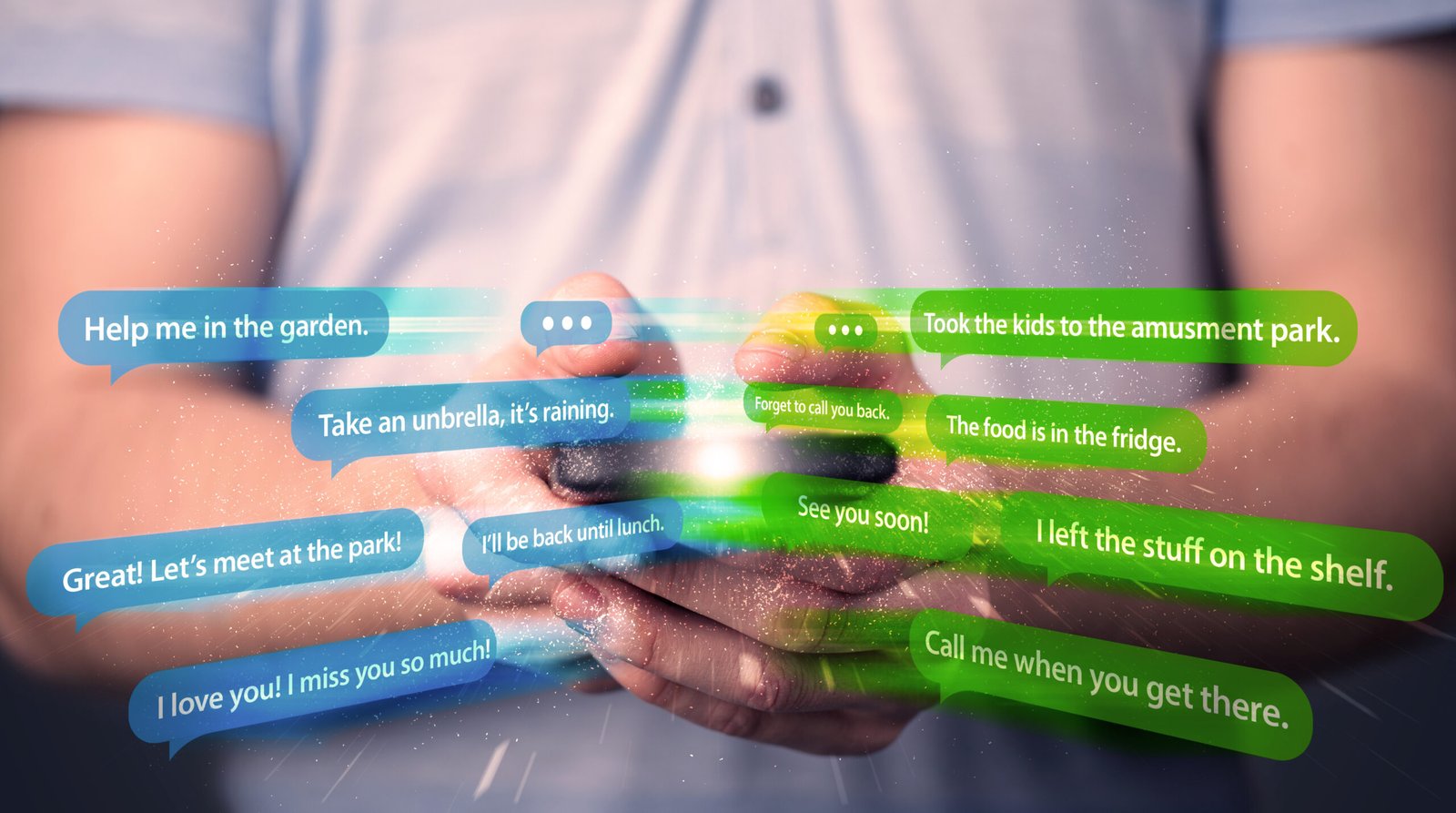
ChatGPT ads in Pakistan will test that habit, because sponsored messages are written to be relevant to your conversation, and relevance can feel like a recommendation even when it is not. The label, not the relevance, is what tells you who paid for the words in front of you.
Your conversations stay private from advertisers, according to OpenAI, and that promise deserves a plain explanation. Advertisers do not see your chats, OpenAI does not sell your data, and the ad you see is matched to the general topic, not to your personal history handed over to a brand. You also have controls over ad personalisation, and you can delete ad-related data, while temporary chats carry no ads at all.
ChatGPT ads in Pakistan come with those controls from the start, and using them is worth two minutes of your time, because the default settings of any advertising product are chosen by the company, not by you.
There are also lines OpenAI says it will not cross, and they are worth knowing because they show where the company itself draws the boundary. Ads are ruled out for users who say they are under eighteen, or whom the company predicts to be minors, and ads are kept away from conversations about physical health, mental health, and politics, while political advertising is not permitted on the platform at all.
ChatGPT ads in Pakistan are therefore not supposed to appear in the conversations where advertising would be most sensitive, and if you ever see an ad in such a conversation, that is worth reporting through the product’s own feedback, because it would mean a stated boundary was crossed.
A sponsored message is a paid placement, not ChatGPT’s recommendation, however relevant it looks. Verify any offer before you pay for it, never share private or payment details with a sponsored agent, and treat an unlabelled message as an answer and a labelled one as an ad. If a sponsored message ever looks like an answer, or an answer looks like an ad, trust the label and check twice before acting.
For most free users, the practical question is whether the ads will annoy them enough to change their habits, and the honest answer is that it depends on how you use the tool. If you use ChatGPT occasionally, for a question here and there, a sponsored message now and then will barely register, and free remains the obvious choice. If you use it for hours every day, for study or work, sponsored messages will appear often enough to break your flow, and that is the moment the paid question becomes real.
ChatGPT ads in Pakistan do not force anyone to pay, and that is the point: the free tier stays usable, and the annoyance, if any, is yours to weigh, not the company’s to decide for you.
Checking your own plan takes less than a minute, and it is worth doing before you assume anything about what you will see. Open your ChatGPT settings or account page and look at the plan name on your account: Free and Go mean sponsored messages will appear, while Plus, Pro, and Enterprise mean they will not. If you share an account with family or colleagues, check whose plan you are actually using, because the ads follow the account, not the device, and a shared login can explain why one person’s screen shows ads and another’s does not.
When an ad looks wrong, the useful response is specific, not general. Note what the sponsored message offered, whether its label was clear, and whether it appeared in a sensitive conversation, and then use the product’s own feedback option to report it. Vague complaints change nothing, while specific reports give the product team something they can actually fix, and they also give you a record if the same problem repeats. The label system only improves if the people who see its failures say exactly what they saw.
Ads and answers: the separation OpenAI promises
The separation between ads and answers is the most important promise in this whole rollout, because it is the promise the product’s trust depends on. If users start suspecting that an answer was shaped by whoever paid, they will stop trusting the answers, and a chatbot people do not trust is a chatbot people stop using. OpenAI knows this, which is why its statements on the separation are so specific: ads are clearly labelled, they sit separately from responses, they never influence what ChatGPT tells you, conversations stay private from advertisers, and customer data is never sold.
ChatGPT ads in Pakistan stand or fall on whether those sentences stay true in practice, not just in announcements.
Scepticism is healthy here, and it does not require assuming bad faith. OpenAI’s advertising business grew from about one hundred million dollars in March to a one-billion-dollar annualised run rate by August, and the company has spoken about reaching two and a half billion before the year ends, with a potential public offering in the background. A business growing that fast, under that kind of pressure, has every incentive to make ads more prominent over time, and users are right to watch whether labels stay clear and whether sponsored messages stay separate.
These ads should be judged the same way you would judge any product that serves two masters, the user and the advertiser, by watching which master wins when the two conflict.
There are three things worth watching in the coming months, and each of them is a test you can run yourself. First, label clarity: do sponsored messages stay obviously labelled, or do they start blending into answers? Second, sponsored agents: OpenAI is already testing business-sponsored agents with selected advertisers in the United States, which are a step beyond simple sponsored messages, and how those behave will show where the product is heading.
Third, personalisation controls: do the controls over ad personalisation stay easy to find and genuinely effective, or do they get buried? ChatGPT ads in Pakistan are new enough that all three tests are still open, and your own experience in the next few weeks is better evidence than any announcement.
Search advertising is the closest comparison most readers already know, and it helps to see where the two differ. A search ad appears next to a list of links, and everyone knows it is an ad because the page is visibly a list of results with marked entries. A chatbot ad appears inside a conversation, where the format is a single flowing answer, so the label carries far more weight than it does on a search page.
That is why this article keeps returning to the label: in a conversation, the label is the only thing standing between a paid placement and a recommendation, and its clarity matters more here than anywhere else in advertising.
The word private also deserves a plain explanation, because it is used in two different ways, and they are easy to confuse. When OpenAI says conversations stay private from advertisers, it means advertisers do not receive your chats and cannot target you based on what you said. It does not mean OpenAI itself cannot see the conversation, because the service must process your messages to answer them, and it does not mean no data is used for the product at all.
Understanding that distinction keeps expectations honest: private from advertisers is a real protection, and it is not the same as invisible to the service, and both halves of that sentence matter.
None of this means free users should panic, and none of it means brands should rush in blindly. The sensible position for users is to keep using the free tier, learn the label, use the personalisation controls, and notice whether anything changes. The sensible position for brands is to treat the channel as promising but unproven in Pakistan, and to test it with a small budget before committing anything large.
ChatGPT ads in Pakistan reward the same habit on both sides: watch first, decide second, and let the evidence from your own screen outweigh the claims from any announcement, including this article’s.
What local brands and agencies can do
For local brands, the rollout opens a channel that did not exist in Pakistan a week ago, and its shape is different from every other advertising channel available to them. Advertisers can reach ChatGPT users through technology partners, or they can buy directly through OpenAI’s self-service Ads Manager, which lets a business set budgets and bids, launch campaigns, and track performance from one portal.
That self-service route matters for small and medium brands, because it means a boutique in Lahore or a software firm in Karachi does not need an agency to test the channel. ChatGPT ads in Pakistan are open to businesses of different sizes, not just to the largest advertisers, and the test budget for a first campaign can be small.
The channel suits a particular kind of moment, and understanding that moment is the difference between a campaign that works and money wasted. People come to ChatGPT with goals: planning a trip, choosing software for a business, furnishing a home, comparing products, or deciding what to buy. Through conversation, they explain what they want, what matters to them, and what constraints they face, and an ad that meets them in that moment is useful in a way a feed ad rarely is.
Unlike Facebook ads for small business, which meet people while they scroll a feed, ChatGPT ads in Pakistan meet people in the middle of a question, when they are already comparing options and forming a decision, and that timing is the channel’s real advantage.
If you already write product descriptions with ChatGPT, you have a head start that most advertisers do not, because you already know how customers talk to the tool. The language customers use in conversation, the questions they ask, the constraints they mention, and the words they choose are exactly the material your ad must match, and you have been reading that language every time you used the tool for your own products.
ChatGPT ads in Pakistan reward advertisers who think in conversations rather than in slogans, because the ad appears inside a conversation, and a slogan written for a billboard will feel out of place there. Write the ad the way a helpful answer would sound, and then add the offer, not the other way round.
Early reported results explain why advertisers are excited, and they should be read with the caution that early results always deserve. One online retailer reported earning three times what it spent on ChatGPT ads within twenty-eight days, and one technology company found that over eighty percent of its ChatGPT traffic came from entirely new customers. Those numbers come from early campaigns, reported by the companies involved, and they are not guarantees for your business, but they do show why advertiser counts jumped from roughly twenty thousand in late August to over one hundred thousand by October.
The ads are entering their early phase here, which means early testers may find cheaper attention than they will in a year, and also that nobody yet knows the reliable benchmarks for this market.
A first campaign should be a test, not a commitment, and the checklist below is the whole launch plan in six lines. Define one offer before anything else, because a campaign selling everything sells nothing in a conversation. Build the landing page before the ad, because a click that lands nowhere wastes the most expensive part of the campaign. Set a test budget you can afford to lose, because the first campaign teaches you the channel, and tuition is never free.
Write the ad for a conversation moment, not for a feed, and check how the sponsored label looks next to it. Track new customers separately from returning ones, because new-customer share is the number that tells you whether the channel expands your market or merely moves existing customers around. ChatGPT ads in Pakistan will teach you their own benchmarks quickly if you test small and measure honestly.
Before you run your first campaign
- Define one clear offer before you write anything else.
- Build the landing page the ad will send people to.
- Set a small test budget you can afford to learn with.
- Write the ad for a conversation moment, not for a feed.
- Check how the sponsored label looks next to your ad.
- Track new customers separately from returning ones.
Agencies have a particular opportunity here, because local businesses will need help they cannot easily get elsewhere yet. Few Pakistani agencies have run ChatGPT campaigns, because the channel is days old in this market, so an agency that tests it now, documents what works, and builds a small set of case studies will have something genuine to show within months.
ChatGPT ads in Pakistan are a chance for agencies to learn in public, alongside their clients, rather than pretending to have expertise nobody yet has. The honest pitch is the strongest one available right now: this is new, we are testing it, and here is what our tests actually showed.
A good chatbot ad differs from a good search ad in one specific way, and it is the way most first campaigns will get wrong. A search ad answers a keyword, so it can be short, direct, and built around the exact phrase someone typed. A chatbot ad answers a situation, because the user explained a goal, a constraint, and a preference in full sentences, so the ad must match the situation, not just a keyword.
An ad that says ‘we sell shoes’ will lose to an ad that says ‘lightweight shoes for summer weddings in Lahore, delivered in three days’, because the second one matches the conversation the user was actually having.
Budget expectations should be set by testing, not by copying another channel’s numbers, because this channel has no reliable benchmarks in Pakistan yet. A search campaign’s cost per click and a social campaign’s cost per thousand tell you nothing reliable about what a conversation click will cost here, and early testers who assume otherwise will either overspend or quit too early. Start with a test budget, run one offer to one landing page, and let a week of real data replace every guess, because a week of your own numbers beats a month of someone else’s benchmarks.
Measuring new customers separately is the single most important measurement habit for this channel, and it is worth explaining why it matters more here than elsewhere. A sponsored message inside a conversation can easily reach people who already know your brand, and those people would have found you anyway, so counting all clicks flatters the channel. Counting only customers who had never bought from you before tells you whether the channel grows your market, and that number, not the click count, is what decides whether a second campaign deserves a larger budget.
Should you pay to remove ads?
The decision to pay is simpler than the marketing around it suggests, because it comes down to one question: how much do the ads bother you, and how often do you use the tool? If you use ChatGPT occasionally, a sponsored message now and then will barely register, and the free tier remains the obvious choice, with the label habit as your only homework. If you use it for hours every day, for study, writing, or work, sponsored messages will appear often enough to break your flow, and the question becomes whether uninterrupted use is worth a subscription to you.
ChatGPT ads in Pakistan do not force that decision on anyone, and the right answer differs by person, which is why this section gives you a framework instead of a verdict.
Three factors should decide it, and they are all about your own use, not about the product’s claims. Frequency comes first: daily heavy users feel ads far more than weekly light users, and the annoyance grows with use. Flow comes second: if you use ChatGPT for deep work, where a sponsored interruption breaks concentration, ad-free matters more than if you use it for quick questions.
Features come third: paid plans remove ads and add premium features, so if you already want those features, ad-free is a bonus on top of a decision you would make anyway, while if you only want ad-free, you are paying for one benefit and should weigh it alone.
ChatGPT ads in Pakistan make that third factor easy to judge, because the free tier stays fully usable, and paying buys quiet, not access.
For businesses, the calculation runs the other way round, because the question is not whether to pay to remove ads but whether to pay to place them. A business that already advertises on search or social media should test ChatGPT ads with a small budget and compare the new-customer share against its existing channels, because a channel that brings new customers is worth more than one that merely reaches the same people cheaper.
A business that has never advertised should start with one offer and one landing page, as the checklist above describes, and treat the first campaign as research. ChatGPT ads in Pakistan are a new channel, not a proven one, and new channels reward testers who measure, not spenders who commit.
Enterprise accounts deserve a short note, because their situation differs from everyone else’s in this article. Enterprise users do not see ads, and their organisations typically care more about admin controls, data handling, and consistent experience across a team than about any single feature. If you use ChatGPT through your employer on an Enterprise plan, this rollout changes nothing on your screen, and the interesting question for your organisation is not the ads but the sponsored agents being tested in the United States, which may one day reach business plans in a different form.
Waiting is also a legitimate decision, and it deserves to be stated plainly, because not every reader must act on a new channel immediately. If you are a brand with no spare budget, or a user who barely notices sponsored messages, the rational move is to watch for a month, read what early testers report, and then decide with better information than anyone has today. Early attention is cheaper, but late decisions are better informed, and the trade between those two truths is a real one, not a failure to act.
Conclusion
ChatGPT ads in Pakistan change two things at once, and keeping those two things separate is the whole point of this article. For free users, a sponsored message now appears in some conversations, clearly labelled and separate from answers, while paid plans stay ad-free and conversations stay private from advertisers. For brands, a new channel opens inside the conversations where customers already compare options and make decisions, through Ads Manager or technology partners, with early results that excite but do not guarantee.
ChatGPT ads in Pakistan are live; they are labelled, and they are worth watching with open eyes rather than with either panic or blind enthusiasm.
The habit that matters most is the simplest one in this article: read the label. A sponsored message is a paid placement, not a recommendation, and an answer without a label is ChatGPT’s response, not an ad. That habit protects free users from confusion, and it protects brands too, because an audience that trusts the label trusts the channel, and a channel nobody trusts stops working for everyone. ChatGPT ads in Pakistan will succeed or fail on whether that label stays clear, and every user who reads it carefully helps keep it honest.
If you remember one sentence from this article to share with someone else, make it this one: a sponsored message is a paid placement, not a recommendation, and the label is what tells you which is which. That sentence protects a student from a bad purchase, a brand from a wasted campaign, and a whole market from confusion, and it fits in a single message to a friend. The rest of this article is detail around that sentence, and the detail matters, but the sentence alone is enough to change how someone reads their next conversation.
That is the decision in one line: pay for quiet, or stay free and learn the labels. If you want help planning your first campaign, our digital marketing services cover new channels from the first test budget to the first honest report, and this channel deserves exactly that kind of careful start. Watch your own experience in the coming weeks, use the controls, test small if you advertise, and let what you actually see matter more than what any announcement promised.
FAQs
Will free users in Pakistan see ads on every answer?
No. Sponsored messages appear after some answers, not every one, at least in the early rollout. They carry a sponsored label and sit separately from the answer, so you can always tell which part is paid and which part is ChatGPT's response.
Do ads change what ChatGPT tells me?
OpenAI says no: ads are clearly labelled, kept separate from responses, and never influence the answers generated. Your conversations also stay private from advertisers, and customer data is never sold. Watch the labels in your own experience to test that promise.
How can I tell a sponsored message from an answer?
Look for the sponsored label. A message with the label is a paid placement, however relevant it looks. A message without the label is ChatGPT's answer. If a sponsored message ever looks like an answer, trust the label and check twice before acting on it.
Can Pakistani businesses advertise on ChatGPT now?
Yes. Businesses in Pakistan can reach ChatGPT users through technology partners or through OpenAI's self-service Ads Manager, which lets you set budgets and bids, launch campaigns, and track performance from one portal. Start with one offer and a small test budget.
Is Plus worth it just to remove ads?
It depends on how you use the tool. Occasional users will barely notice sponsored messages, so free stays the obvious choice. Heavy daily users who lose flow to interruptions may find a paid plan worth it, especially if they already want its premium features. Paying buys quiet, not access.