
Last month, a small shop owner showed me her phone with the pride of someone who had done the hard part. She had posted forty Reels in two months, one almost every working day, filmed on her own phone in the corner of her flat in Islamabad where the light is best at four in the afternoon. She sells indoor plants, pots, and the kind of monstera cuttings that plant people argue about in comments. Her plants were healthy. Her prices were fair. Her Reels were stuck between two hundred and four hundred views each, and almost nobody watched past the first few seconds.
I asked her to play me her best one. It opened with her logo fading in over a soft song, then her voice saying, “Hi guys, and welcome back to my page”, then a slow pan across a shelf while she explained that today she wanted to talk about watering schedules. By the time she reached the useful part, the part about the one watering mistake that kills more monstera plants than any disease. I was the only person still watching, and I was sitting next to her, being polite. On a phone, nobody is polite. The thumb moves, and the Reel is gone before the good part starts.
That is the whole problem with Instagram Reels hooks in one small story. The hook is not the video. It is the audition for the video, and it lasts about three seconds. Industry studies put average Reel watch time at around eight and a half seconds, which means most viewers decide almost immediately whether your Reel deserves the rest of their attention. A shop that learns how to write Instagram Reels hooks that stop the scroll is not being clever. It is simply giving its good work a chance to be seen.
This article covers the careful version: why most hooks fail, the hook types that work for small shops, a twenty-minute workflow for writing Instagram Reels hooks, and a testing routine that replaces guessing with numbers you can read on your own phone.
Why most Reels lose viewers before the good part
Open fifty small business Reels, and you will meet the same five openings everywhere. A logo animation. A greeting. A slow room tour. A sentence that starts with “So guys.” A promise that in today’s video we will talk about something interesting. None of these are lies. They are something worse for a seller. They are openings that ask a stranger to wait, and strangers on a feed do not wait. They have already seen three other Reels in the last minute, and your logo is not the most interesting thing they have seen today.
The second failure is context before value. A shop owner knows her whole story, so she starts at the beginning. She explains the plant, the pot, the soil, and then, somewhere near the end, the one thing the viewer actually needed. The viewer never reaches the end. A hook that starts with background is a door that opens onto another door. People do not walk through two doors for a stranger. They want the room itself, immediately, in the first frame.
The third failure is sound. Many viewers watch Reels with the sound off at first, on a bus, in an office, or next to a sleeping child. If your hook lives only in your voice, those viewers never hear it. A bold text overlay in the first frame, five to eight words that carry the same promise as your spoken line, gives silent viewers a reason to stay and turn the sound on. A viewer who cannot hear your first line still needs a reason to stay.
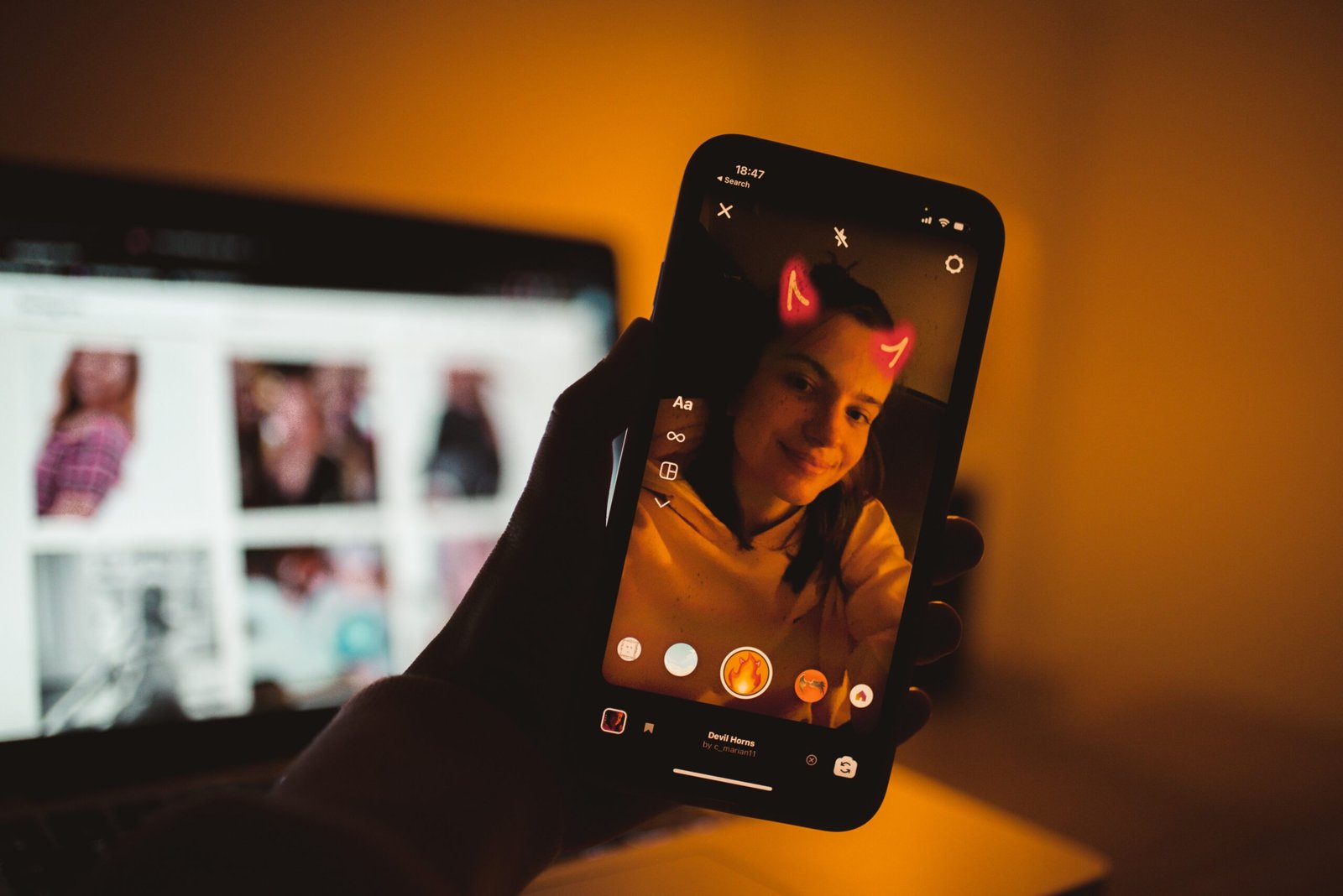
Then there is the matter of what Instagram actually rewards. Reels travel when people finish them, share them, save them, and send them to a friend. None of those signals can fire if the viewer leaves in the first three seconds. A weak hook does not just lose one viewer. It starves the Reel of every signal that would have carried it to the next hundred viewers. That is why two Reels with the same product, the same phone, and the same owner can end with wildly different views. The difference is rarely the product. It is the first line. Hootsuite’s Instagram Reels best practices guide says the same thing, calling the first few seconds the most important and warning against title cards and slow intros.
Small shops have one advantage here that big brands would pay for. Their Instagram Reels hooks can be specific in a way a corporate account cannot copy. A real owner, a real shelf, a real price, and a real mistake she made last week are all more scroll-stopping than a polished slogan. Viewers stop for people, not for production quality. A shaky phone video that opens on a genuine problem will beat a studio video that opens on a logo, because the first one feels like it was made for the viewer and the second one feels like it was made for the brand.
The cover frame is part of the hook too, and most shops waste it. When someone finds your Reel from your profile grid or from search, the frozen first frame is the whole pitch. A blurry shelf, a half-closed mouth mid-sentence, or a logo on a plain background tells them nothing. A clear frame with a readable text overlay and a face mid-expression tells them what they will get. Choose the frame the way you choose the first line, because for many viewers it is the first line.
The bakery that fixed its first 3 seconds
Let me show you what changed for one small shop. The details below are an illustrative example, built from patterns we see again and again with small sellers on Instagram rather than one named client. The pattern itself is very real, and if you post Reels for your own shop, you will probably recognise your own account in it.
She runs a home-based bakery in Lahore and sells through Instagram and WhatsApp. Brownies, banana bread, and a chocolate cake that her regulars order for birthdays without asking about the price first. She started posting Reels because everyone told her video was the only way to grow, and she did what most owners do. She filmed the baking, added a trending song, and opened every Reel the same way. Her logo, her smile, and a greeting. Then the cake. Her Reels reached three to four hundred views each, mostly people who already followed her, and almost nobody new ever found her page through them.
The problem was not her baking, and it was not her phone. Watch her old openings back to back, and the pattern is obvious. One started with her logo on a white background for two seconds. Another started with “Hi everyone, and welcome to my baking page.” A third started with a slow shot of her kitchen while she explained what she was going to bake that day. Every opening asked the viewer to be patient with a stranger, and every opening spent the only three seconds that mattered on setup instead of value. Her best work, the molten centre of a brownie cut open on camera, always arrived after the viewer had already left.
She changed one thing first, and only one thing. She moved the payoff to the front and wrote the hook before she filmed anything else. Instead of opening on her logo, she opened on the brownie being cut, with text on screen that said the whole cake costs less than one cafe slice. Instead of greeting the viewer, she opened on a failed cake and said, “This cake collapsed twice before I learned the one thing nobody tells home bakers.” Instead of explaining her day, she opened with a question her customers already asked her every week, which was why her brownies stay soft on day three when bakery ones go dry.
For one month, she posted three Reels a week, and she treated Instagram Reels hooks as a skill to practise rather than a caption to fill in at the end. She wrote three openings for every idea and filmed the strongest one first. She kept a simple note on her phone with two numbers for each Reel: how many people stayed past three seconds and how many shared it or sent it to a friend. She did not buy a camera. She did not hire an editor. She did not change her recipes, her prices, or her posting time. The only thing that changed was the first line and the first frame.
The messages changed before the sales did, which is usually how you know a fix is real. People stopped asking, “What is this?” and started asking for the menu, the price, and the delivery day, which are the questions of people who have already decided. Her average views per Reel roughly tripled over that month, and for the first time a meaningful share of viewers were people who did not follow her yet. One Reel, the one about the collapsed cake, passed ten thousand views, and she told me the strangest part was that nothing about the baking had improved. She had simply stopped hiding her best moment behind her logo.
The lesson is not that hooks are magic. The lesson is that a good Reel with a weak hook behaves like a good product with a closed shopfront. People cannot buy what they never see, and on a feed they never see past the opening. She still films in the same kitchen with the same phone, and her Reels still take about an hour each from idea to post. The hour just starts differently now. It starts with one sentence written on paper before the oven goes on, and that sentence decides whether the rest of the hour matters.
Seven hook types that work for small shops
You do not need fifty hook formulas. Small shops do well with seven, because seven cover nearly every goal a Reel can have. Some hooks earn saves, because the viewer wants the information later. Some earn shares, because the viewer knows exactly who needs it. Some earn comments, because the viewer disagrees or recognises herself. Pick the type by the result you want, not by the one that sounds cleverest when you read it aloud. A hook that earns the wrong result is still weak, even if the view count looks fine.
1. The bold claim
A bold claim works when your product has a surprising fact that most people get wrong. It opens on the surprise, not on the explanation, and it forces the viewer to stay to see whether you can prove it. A plant seller can open with “Your plants are not dying; your watering can is lying to you.” A baker can open with “This whole cake costs less than one cafe slice.” The claim must be true, and the Reel must prove it before the end, or the viewer feels tricked and will not trust your next Reel either.
2. The costly mistake
A mistake hook works when your audience already makes an error they do not know about. It names the error in the first line, which makes the right viewer stop immediately and the wrong viewer scroll past, and that is exactly what you want. “Stop watering your monstera like this” is stronger than a general tip about watering, because it speaks to someone who is already worried. “I wasted Rs 8,000 on pots before I learned this” works for the same reason. It turns a private embarrassment into a shared problem, and people stay for solutions to their own mistakes.
3. The curiosity gap
A curiosity gap opens a question and promises the answer later in the Reel. “Nobody tells new bakers why their cake sinks in the middle” is a gap, because the viewer cannot close it without watching. “I tried the viral hack so you do not have to” is a gap for the same reason. The rule is simple. Open the loop in the first three seconds and close it before the Reel ends. A loop that never closes is not a hook; it is a trick, and viewers remember which accounts trick them.
4. The specific number
Numbers work because they make a vague promise testable. “Three ingredients, twenty minutes, and one cake your guests will ask about” is a hook a viewer can judge in seconds. “Five mistakes that keep your Reels under 500 views” is a hook a shop owner can check against her own account. Avoid round claims you cannot stand behind, because a specific number that turns out to be invented costs more trust than a vague line ever would. Use numbers from your own shop, your own prices, and your own results, and the hook writes itself.
5. The relatable callout
A callout hook names the exact person the Reel is for, which makes sharing effortless. “Send this to the friend who always kills plants” works because the viewer does not have to decide whether to share or with whom. You have answered both questions for her. This type earns direct shares, which are among the strongest signals a Reel can get, because a share is a personal recommendation rather than a passive like. Use it when the Reel solves a problem that belongs to a visible group, like new plant owners, home bakers, or first-time sellers.
6. The payoff first
A payoff hook shows the finished result in frame one and explains it afterwards. “Watch this plain wall become a plant corner in forty seconds” gives the viewer the ending first, and the rest of the Reel becomes the explanation of a result she already wants. This type suits transformations, before-and-after work, and any product with a visible result. Film the result first even if you edit it last. The viewer decides in the first frame whether the result is worth her time, so the result should be the first thing she sees.
7. The direct question
A question hook works when it asks something the viewer already asks herself. “Why does your Reel stop at 300 views?” is a question many small sellers type into search, which is why it stops them mid-scroll. ‘Why does your cake sink in the middle?’ works the same way for bakers. The question must be one your Reel genuinely answers, and the answer should arrive early enough that the viewer feels rewarded for staying. A question that the Reel never answers is a broken promise, and broken promises are why accounts stop growing.
Match the type to the result you want before you film. If you want saves, use a specific number or a mistake hook, because viewers save information they want to use later. If you want shares, use a relatable callout, because sharing needs a person in mind. If you want comments, use a bold claim or a direct question, because both invite a reaction. If you want completion, use a curiosity gap or a payoff first, because both give the viewer a reason to reach the end. Writing Instagram Reels hooks this way turns a guessing game into a small decision, and small decisions are what make a posting routine survive past the first month.
| Weak hook (viewer scrolls past) | Strong hook (viewer stays) |
|---|---|
| Hi guys, welcome back to my page. Today I will show you something special. | Your brownies go dry on day two because of one step most recipes skip. |
| Check out our new collection of plants, now available in-store. | This Rs 500 plant survives a dark room better than a Rs 5,000 one. |
| In today’s video, we will talk about skincare and my routine. | Stop scrubbing your face like this. It is why your skin stays red. |
| A logo animation over a trending song, then a slow shelf tour. | A finished cake cut open on camera, with text that reads less than one cafe slice. |
A table like this is worth keeping on your phone, because it shows the real difference between weak and strong openings. Weak hooks talk about the shop, the video, or the day. Strong hooks talk about the viewer, her problem, or her money, and they do it in the first line. When you write your next hook, check which column it belongs in before you film it. If it belongs in the left column, rewrite it until it belongs in the right one.
How to write Instagram Reels hooks in 20 minutes
Here is the workflow that small shops actually keep up with, week after week. It assumes you have a phone, a product, and about twenty minutes for the first few hooks, dropping to ten once the habit forms. The order matters. Viewer first, hook second, and filming last. Reverse that order, and you film a nice video and then hunt for a reason anyone should watch it, which is the one job the hook was supposed to do before you pressed record.
Pick one viewer and one problem
Before you write anything, name the single person this Reel is for and the single problem it solves for her. A Reel for everyone is a Reel for nobody, because a hook that tries to speak to a baker, a plant owner, and a skincare buyer in one line speaks to none of them. Write the viewer down in plain words, like a home baker who keeps burning the tops of her cakes, and let that one person judge every line that follows.
Write the payoff first
Write the last line of the Reel before the first one. What will the viewer know, save, or do differently after watching? If you cannot state the payoff in one sentence, the Reel is not ready to film, and no hook can rescue it. A clear payoff also protects you later, because a hook that promises the payoff is easy to write and a hook that promises nothing is impossible.
Write three openings, keep one
Write three different first lines for the same Reel, each from a different hook type. One bold claim, one mistake, and one question is a good spread. Read all three aloud and keep the one that sounds like something you would actually say to a customer standing in your shop. Delete the other two without guilt. Choosing among three is faster than fixing one weak opening for an hour.
Cut it to eight to fifteen spoken words
Say the hook aloud and count the words. A hook that fits in three seconds is roughly eight to fifteen spoken words, and a line longer than that is a paragraph pretending to be a hook. Cut greetings, cut background, and cut every word that does not earn the next second. If you run out of breath before the line ends, the viewer will run out of patience before it ends too.
Add the visual and the text overlay
Film the first frame to match the first line, and put a short text overlay on screen, five to eight words that carry the same promise for viewers watching on mute. Show the result, the mistake, or the face that matches the words. A hook spoken well but filmed badly still loses silent viewers, and a hook filmed well but written vaguely still loses everyone else. Both channels must carry the same promise.
Post it and log two numbers
Post the Reel and write down two numbers the next day: how many viewers stayed past three seconds and how many shared it or saved it. Ignore likes for this decision, because likes are the weakest signal a Reel gives you. Two numbers, logged honestly, will teach you more about your hooks in a month than a year of guessing ever will.
Notice what is not in that workflow. There is no step called film first and think later. Nobody who posts for a living films first, because filming first produces a video in search of a reason, and reasons found afterwards always sound like captions rather than hooks. The draft is raw material. Your read-aloud test is the quality check. Skip the test and the Reel will tell you, in falling retention, which step you skipped.
One more habit makes the whole system cheaper over time. Keep every hook you write in one document, one page per idea, with the two numbers next to it. The second time you write about a similar product, you start from lines that already worked instead of a blank page. The tenth time, your Instagram Reels hooks start writing themselves, because you finally know which openings your own audience stops for, in words, instead of carrying it around as a feeling.
Never promise in the hook what the Reel does not deliver. A bold claim that the video never proves, a question that never gets answered, or a result that never appears will earn a fast exit and a quiet decision never to trust your account again. Instagram Reels hooks work because they create an expectation, and expectations that are broken repeatedly teach viewers to skip you on sight. Promise only what the next thirty seconds prove, and your hooks will keep working for months instead of burning your audience in a week.
Testing hooks without guessing
Once the workflow exists, testing is a small routine rather than a mystery. For every Reel idea, write three hooks and film the strongest one first. If the idea matters, film a second version with a different hook later in the week, and post it as a trial Reel so it reaches people who do not follow you yet. Trial Reels are useful precisely because they test the hook on strangers, and strangers are the only honest judges your hooks will ever get. Your followers are polite. Strangers are data. Socialinsider’s Reels research backs this up, finding that Reels remain the strongest format for reaching people who do not follow you yet.
Judge each Reel by three numbers, in this order. First, how many viewers stayed past three seconds, because that number is the hook’s own report card. Second, how many shared it or saved it, because those actions mean the Reel earned something beyond a passing glance. Third, how many visited your profile, because a profile visit is the step between watching and buying. A Reel can have modest views and still be a winner if the people who stayed took one of those three actions. A Reel with big views and none of those actions is a firework, bright and useless.
Give every test three to four days before you judge it, because Reels find their audience slowly and early numbers lie in both directions. After four days, keep the hooks that held viewers and earned shares, and rewrite the ones that did not instead of deleting the whole idea. A weak hook on a good idea deserves a second opening, not a funeral. Change one thing at a time, the hook or the cover frame, never both at once, or you will never know which change did the work. The notebook matters more than the app, because the app shows numbers and the notebook shows decisions.
Testing also teaches you what not to copy. A hook that works for a fitness creator with a million followers may fail for a bakery with eight hundred, because the audiences arrive with different expectations. Borrow the structure, not the sentence. A mistake hook is a structure. A curiosity gap is a structure. The exact words must come from your own shop, your own prices, and your own customers, or the hook will sound like a costume your account is wearing for a day.
Run this list before every Reel hook goes live
- The first line names one viewer and one problem, not everyone and everything
- The spoken hook fits in eight to fifteen words and survives a read-aloud test
- A text overlay of five to eight words carries the same promise for muted viewers
- The first frame shows the result, the mistake, or a face, never a logo alone
- The hook promises only what the Reel proves before it ends
- Two numbers are logged the next day, three-second hold plus shares or saves
Hooks for service shops that cannot show a product
Product shops have an easy advantage. They can hold the thing up to the camera, cut it open, or show it working, and the viewer understands the promise in one frame. Service shops cannot do that. A salon, a tutor, a photographer, or a phone repair shop sells a change in a person, a grade, a memory, or a device, and none of those fit neatly in a hand. Instagram Reels hooks for service shops therefore work differently. They open on a feeling, a mistake, or a result on a real person, because the service itself is invisible until the result appears.
A salon owner cannot film a haircut the way a baker films a cake, but she can film the moment a client sees herself in the mirror, with permission, and open on that reaction. “Stop trimming your own split ends like this” is a mistake hook that speaks to someone already worried about her hair. “Watch this frizzy hair become a wedding look in forty minutes” is a payoff hook that shows the result first and explains it afterwards. Both work because the viewer is not buying scissors or shampoo. She is buying the feeling of walking out of the salon, and the hook must sell that feeling in three seconds.
A tutor faces the same problem with a different audience. Parents do not buy lessons; they buy relief from worry about their child, and Instagram Reels hooks for tutors should speak to that worry directly. “Why does your child forget maths the week after the test?” is a question hook that stops a parent mid-scroll because it names a frustration she already has. “Three questions that show whether a tutor is actually working” is a number hook that promises a test she can use tonight. Both hooks work because they respect the parent’s real problem instead of opening on the tutor’s qualifications, which no worried parent ever searched for.
A photographer can use the same thinking with locations instead of people. “This dull room became a birthday shoot in one hour” is a payoff hook that shows the transformation first, which matters because clients cannot picture a result from a price list. “Send this to the friend still using phone photos for her business” is a callout hook that earns shares, because every small shop owner knows exactly one friend who needs it. The pattern holds across services. The hook names the client’s world, not the seller’s equipment, and the equipment only appears once the viewer has decided to stay.
Permission is the one rule service shops cannot skip. A product shop films its own stock, but a service shop films its clients, and a client who did not agree to be filmed is a trust problem that no hook can fix. Ask before you film, explain where the Reel will appear, and accept a no without argument. When a client says no, film hands instead of faces, or film the room, the tools, or the finished work without the person. Instagram Reels hooks built on real clients work because they are real, and they stay real only when the client chooses to be part of them.
Service hooks also need more care with promises than product hooks do. A baker can promise a cake that tastes a certain way, because she controls the recipe. A tutor cannot promise a grade, a salon cannot promise hair that behaves for a month, and a skin clinic cannot promise clear skin by a date. Hooks for services should therefore promise the process, the honest range, or the first visible change, never a guaranteed outcome. What three weeks of regular trims did for this hair is honest. Hair that never splits again is not, and viewers who have been disappointed before can tell the difference in one line.
Because services are bought on trust, mistake hooks and question hooks usually outperform bold claims for service shops. A bold claim about a service invites doubt, because the viewer cannot verify it until she has already paid. A mistake hook invites recognition, because the viewer already knows the mistake from her own life. A question hook invites curiosity, because it asks something she already wonders about. Instagram Reels hooks for services should therefore lean on recognition and curiosity first, and save bold claims for results you can show on camera, with permission, in the same Reel.
The twenty-minute workflow still applies, with one change. The payoff sentence for a service is a feeling or a result on a person, not a feature of a product. Write it as the viewer would say it after the appointment, like “I finally understood fractions” or “I stopped dreading photos of myself.” If the payoff sentence sounds like an advertisement, rewrite it until it sounds like a customer. Service hooks written from the customer’s sentence always outperform hooks written from the seller’s brochure, because the viewer recognises her own words faster than she believes yours.
Testing looks different for services too. A product Reel can win on views alone, because views can turn into orders from strangers. A service Reel wins on profile visits and direct messages, because nobody books a tutor or a salon from a Reel alone. Judge service hooks by how many viewers visited your profile or sent a message asking about price and availability, not by the view count. A Reel with eight hundred views and twelve booking messages beats a Reel with ten thousand views and silence, and Instagram Reels hooks that earn messages are the ones worth repeating, even when their view counts look modest.
One last habit separates service shops that grow from those that stall. They reuse their best hooks across services instead of inventing new ones every week. A mistake hook that worked for hair trims can be rewritten for facials, and a question hook that worked for maths tutoring can be rewritten for English. The structure stays, the details change, and the account builds a recognisable voice instead of a pile of unrelated openings. That voice is what turns a viewer who stopped once into a follower who stops every time, and for a service shop, that follower is one conversation away from a booking.
Before you publish
Hooks survive best when they sit inside a routine instead of on top of one. If you plan your posting with a social media content calendar, give hook writing a fixed seat in it, on the same day you plan the week’s Reels. Planning day produces the ideas and the hooks. Filming day turns them into video. When those two days are the same day, hooks stop being an afterthought and start being part of making the Reel, which is where they belong.
Captions deserve the same care, because a hook wins the first three seconds and captions keep the rest. If you want the words on screen to work as hard as the opening line, learning how to add captions to short videos will help your Reels hold viewers who watch on mute and viewers who watch with sound. A hook and a caption are two halves of one job, which is saying what your product actually is in words a stranger can follow without you standing next to her.
If hooks are eating your whole week and you would rather hand the job to someone, that is a reasonable decision too. Our digital marketing services include content work for shops that want their short videos handled properly, hooks first, same as this article. Either way, the standard does not change. A hook is a promise, and a shop is only as trustworthy as its promises.
Post three to four Reels a week if you can, and fewer done well if you cannot, because a routine you abandon helps nobody. Batch your hooks on one evening, film two or three Reels in one session, and let the testing routine tell you which openings to repeat. Small shops do not grow by posting more than everyone else. They grow by posting Instagram Reels hooks that strangers stop for, week after week, until stopping becomes a habit and the habit becomes an audience.
When a Reel flops, check the hook before you blame anything else. Open your own Reel as a stranger would, with the sound off, and watch only the first three seconds. If the opening is a greeting, a logo, or a slow room tour, you have found the problem, and the fix is a new first line rather than a new phone, a new trend, or a new posting time. Repost the same idea with a different hook a few days later, because a good idea with a weak opening deserves a second audition. Shops that treat flops as hook feedback instead of personal failure improve faster than shops that treat flops as proof that video does not work for them. Keep the new hook in your document with its numbers, so the next flop becomes a comparison instead of a mystery. Over a month, those comparisons become the closest thing a small shop has to a strategy. The Instagram Reels hooks that survive those comparisons are the ones worth keeping in your document.
Conclusion
Here is the honest summary. Your viewers decide in three seconds, so your first line has to do the selling before your product gets a chance. Greetings cannot do it. Logo animations cannot do it. And a good video, left alone, cannot do it either, because nobody reaches the good part without a reason to stay. What works is a simple split of jobs. You supply the viewer, the problem, and the payoff. The hook supplies the reason to stay. Then you test everything, because the numbers on your own account are the only teacher that knows your audience.
So start with your worst Reel, not your whole account. Twenty minutes. Pick one viewer, write three openings, keep the one that survives reading aloud, and film the payoff first. Then do the same for the next one. When you write Instagram Reels hooks this way, the hook stops being a caption you dread and becomes what it was always best at: a fast first line for a shopkeeper who knows exactly who she is talking to.